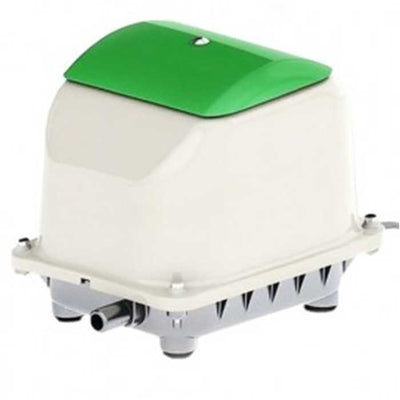

A red light or buzzer on a SECOH air pump indicates that the installation needs attention, but it does not tell you on its own which part is at fault. The first useful step is to identify which device is triggering the alarm, note the exact pump model, and check if air is still reaching the end of the circuit.
A pond pump, a pump with a built-in pressure alarm, and a micro-treatment plant control box do not signal the same thing. Start with the nameplate and the manual provided with your installation.

What does a SECOH pump alarm mean?
On the JDK-AL 60, 80, 100 and 120 models described by the distributor BIBUS, the built-in low-pressure alarm is triggered at 7 kPa. This threshold applies to these versions: do not assume it applies to another model or an external control box. A pressure alarm indicates a condition at the point of measurement; it is neither a water test nor a dissolved oxygen measurement.
Some models also have an automatic safety shut-off, separate from the low-pressure alert. A micro-treatment plant may add its own alarm logic. Photograph the light, any message, and the labels before touching anything.
Note the circumstances before resetting
Power outage, heavy rain, maintenance, disconnected hose, nearby construction? Did the noise change gradually, or did the pump stop suddenly? Note the time and whether the alarm is continuous or intermittent. A buzzer that falls silent after a power cut and restart does not prove that the fault has been fixed.
Initial checks, from the outside only
Look for visible damage, water near electrical parts, a detached hose, or a blocked ventilation grille, without opening the cover. A wet electrical connection, damaged cable, burning smell, or tripped circuit breaker requires a professional. Do not touch a wet socket. Before performing any maintenance authorized by the manual, disconnect the pump. On a micro-treatment plant, leave the tank covers in place and never lean into a tank.
Follow the path of the air, not just the noise
A blower may seem to be running while delivering little useful air. Follow the accessible hose: loose connection, split hose, tight bend, or recently altered route? Distinguish between two cases: air is escaping before the diffuser, or the resistance has become too high. They trigger different alarm responses. BIBUS recommends checking the backpressure, especially after an initial fault: replacing the pump without removing the restriction will not solve the problem. On a micro-treatment plant, do not adjust the valves randomly: air distribution is part of the process.
Air intake and the environment
The pump must draw in clean air. Dust, leaves, or a poorly ventilated enclosure disrupt its operation. Clean or replace the air filter according to your model's manual. An enclosure that is too airtight protects against rain but traps heat. If the location has flooded, tell the technician before reconnecting.
Diaphragms and valves: when are they at fault?
Diaphragms and valves are wear parts in this type of pump. Their condition can explain a loss of performance, but the diagnosis must also take the air circuit into account. Aquishop offers genuine SECOH diaphragm and valve kits for several families (JDK, JDKS, SLL, MKC, ELS). This is not a universal kit: provide the full model and serial number before ordering. If the safety shut-off has been triggered, determine the cause and never bypass it.
If the pump aerates a garden pond
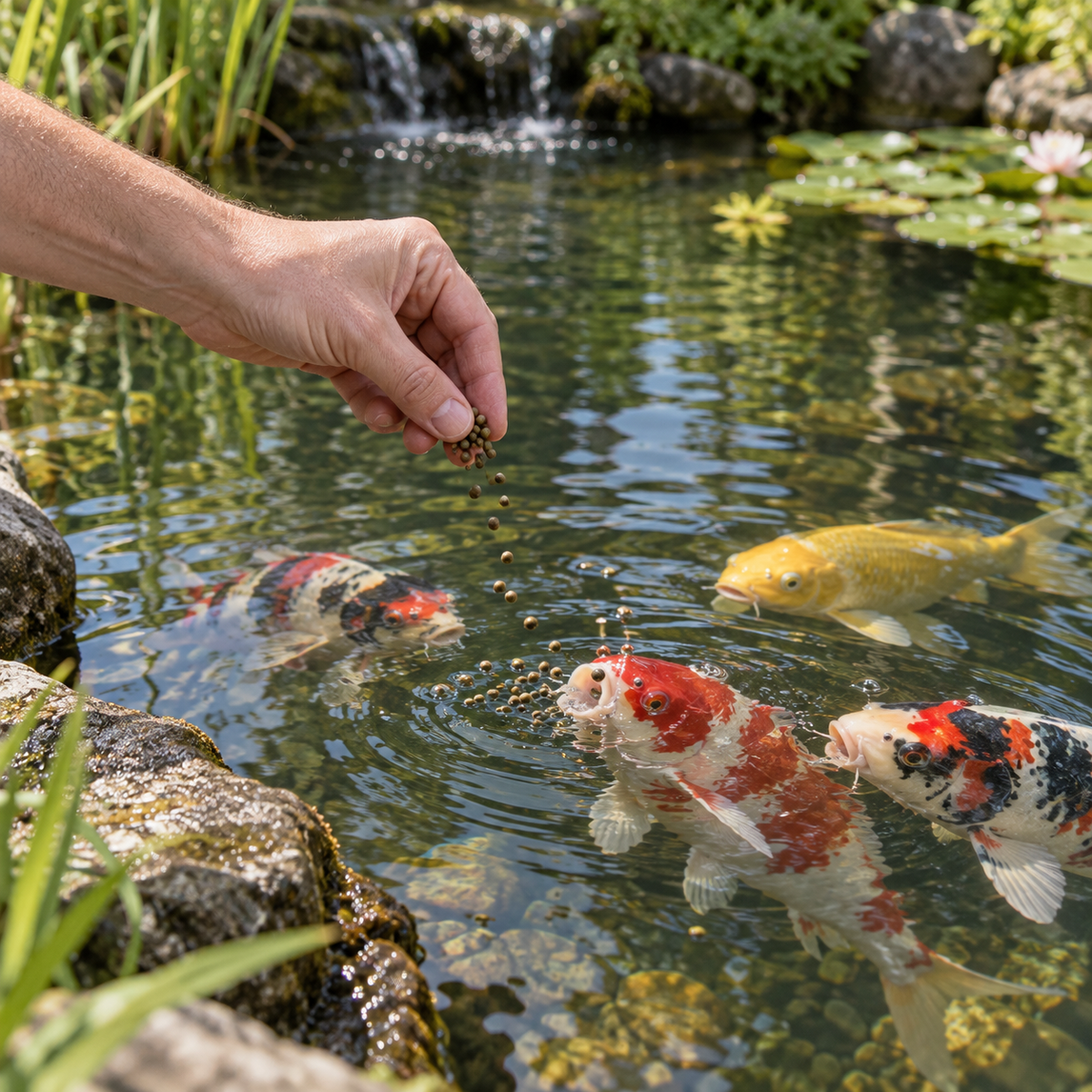
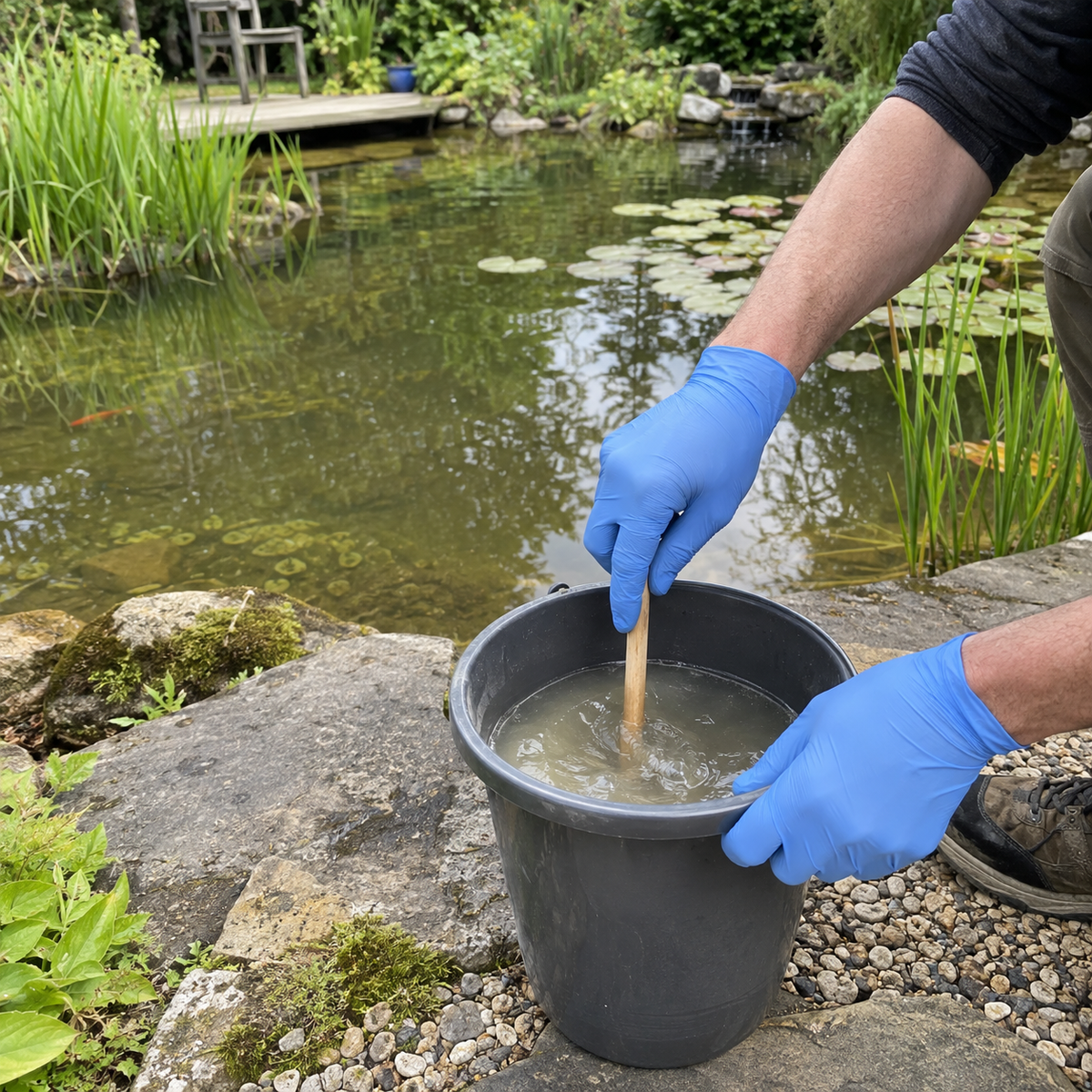
Observe the fish as well as the equipment: fish gathered at the surface, rapid breathing, or a sudden change in behavior require a quick response. Check the water and install a suitable backup aeration system if necessary. Heat and a high fish load make oxygenation more urgent. The JBL ProAquaTest CombiSet Pond kit covers several useful parameters, but not dissolved oxygen. A replacement pump is chosen based on the depth of the diffusers and the circuit: the SECOH JDK-S 80 is an option to consider, not an automatic replacement. See the full range of SECOH air pumps.
If the pump supplies a micro-treatment plant
Air supports biological treatment. Contact the maintenance provider quickly and follow the installation's procedure. Limit water use during the diagnosis, especially in the event of a high-level alarm. Do not shut down the entire plant just to silence the alarm, and do not bypass the process. Bacteria and pond products will not fix a broken blower.
Repair or replace?
It all depends on the identified damage, the available parts, and the electrical condition. For a replacement, compare the air flow to the actual operating pressure, the power supply, the connections, the dimensions, and the alarm interface: a maximum flow rate measured without resistance is not enough.
Pre-call checklist
- Full model, serial number, and electrical specifications.
- Photos of the pump, the alarm, and accessible connections.
- Use: pond or micro-treatment plant (brand and model).
- Start of the alarm, recent interventions, or power outages.
- What is still working and what has already been checked.
Frequently asked questions
Why is my SECOH pump buzzing?
The alarm often indicates abnormal air pressure: a leak in the circuit, a disconnected hose, a restriction, or worn parts. Note the exact model and follow the path of the air before resetting.
Can I replace the diaphragms myself?
Diaphragm and valve replacement is designed for many models, with the kit corresponding to the exact reference. Always disconnect the pump and follow the manual; if in doubt, entrust it to a workshop.
Which diaphragm kit is right for my pump?
It depends on the family and model (JDK, JDKS, SLL, MKC, ELS...). Provide the full model and serial number: the appearance of the old diaphragm is not enough.
Are my fish in danger if the air pump stops?
The risk increases in hot weather and with many fish. Monitor their behavior and install backup aeration if necessary while the repair is underway.