The song of frogs is one of the memories associated with a garden, a pond, or an evening stroll. When it becomes less present, the question naturally arises: have the amphibians disappeared, or are they simply showing themselves less? Both situations exist. A silent week does not prove a decline, but the degradation of their habitats is well documented.
The essential question remains the same: what place can we still leave for this life in our gardens? A well-designed pond, accessible banks, and a few terrestrial refuges can provide a concrete answer. Yet, one must understand what frogs need, both in the water and around it.

Fewer songs: start by looking at the season and the species
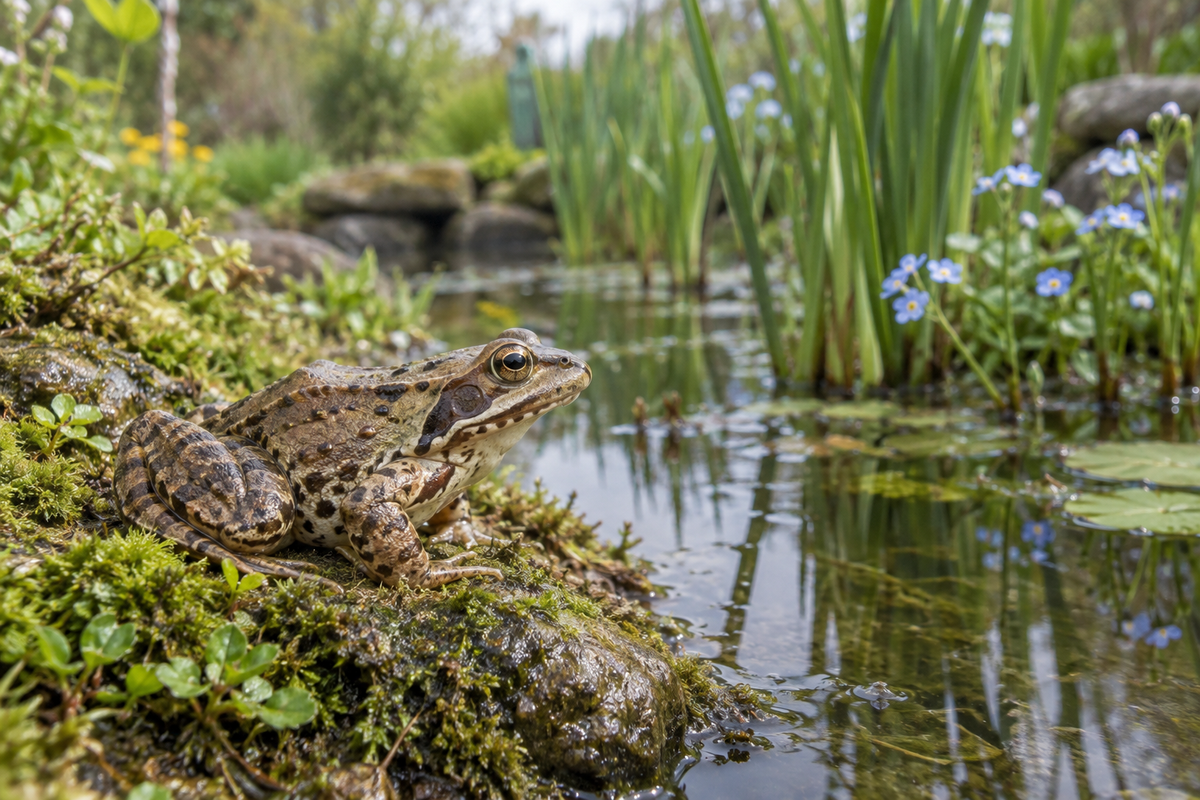
Not all frogs create the same soundscape. The edible frog frequents water often, and its songs can be very audible during reproduction. The common frog leads a more terrestrial life outside of this period. The presence of amphibians, therefore, cannot be assessed solely by the intensity of the evening concert.
The weather, temperature, and time of day also influence activity. Natagora describes how edible frog songs are favored by warm weather in spring and summer. A single visit, at the wrong time, can lead one to believe a pond is empty.
To compare from one year to the next, note the date, the weather, visible spawn, and observations, without capturing the animals. A few photos taken from a distance and several visits under comparable conditions provide more useful information than an isolated memory. The absence of song deserves attention; it is not enough to establish a diagnosis.
The disappearance of wetlands reduces living spaces
Ponds, wet ditches, floodplains, and small pools have long been drained, filled in, or cut off from one another. The Fréquence Grenouille project, supported by the Conservatoires d'espaces naturels network, reminds us that France has lost two-thirds of its wetlands since the beginning of the 20th century. This historical benchmark describes a profound transformation of the landscape.
The loss of a pond does not just remove a water source. It can interrupt a journey between a breeding site and terrestrial shelters. A new road, a housing development, or a difficult-to-cross fence then complicates movement toward remaining environments.
Globally, the IUCN indicates that nearly 41% of assessed amphibian species are threatened, according to the assessment published in 2023. This figure does not mean that 41% of the frogs in a garden have disappeared. It shows the vulnerability of the group and the importance of preserving diversified habitats.
Why do amphibians face so many difficulties?
Their life cycle generally links an aquatic environment for reproduction with terrestrial habitats, in varying proportions depending on the species. A pond may seem favorable while the animals can no longer find shelter in the surrounding area. Conversely, a damp, shaded garden does not necessarily replace water suitable for larval development.
Amphibian monitoring in Wallonia cites habitat degradation, pollution, and drought among the pressures. A pond that dries up too early can prevent tadpoles from completing their development. Runoff water laden with pollutants can reach a site even far from the treated area.
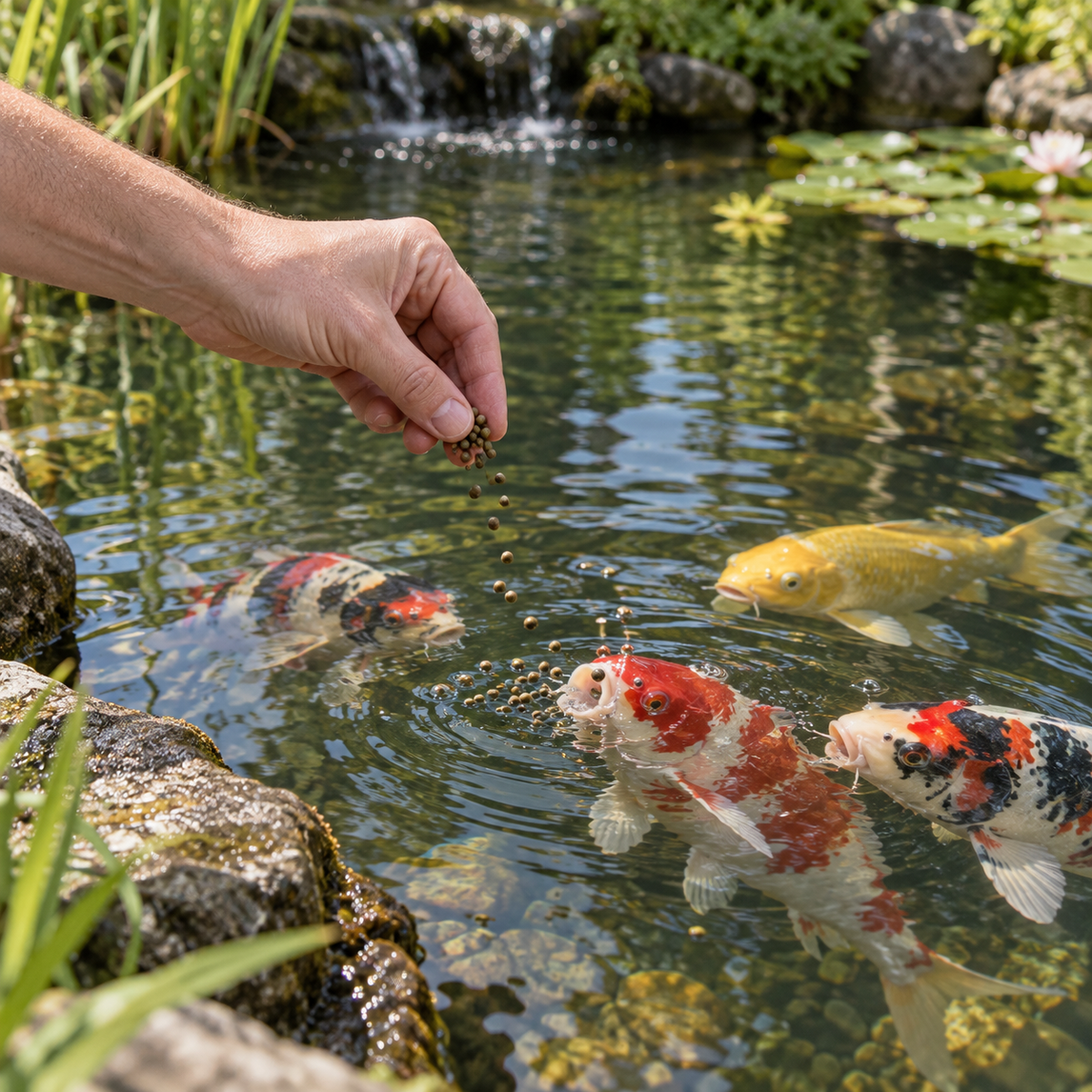
Roads add risk during migrations. Fish introduced into a pond can also consume eggs or larvae. This does not make every fish pond devoid of life, but it explains why a pond intended primarily for amphibians is designed differently than a koi pond.
In Belgium, observing and helping within an appropriate framework
Wallonia monitors amphibian populations and provides for their protection to varying degrees depending on the species. Capture or handling may require a derogation. For a rescue, an injured animal, or an unusual situation, seek advice from a competent organization before intervening.
In the spring, local operations accompany migrations in places where animals cross roads. The Raînne division of Natagora presents these actions and opportunities for participation. Joining an organized operation allows you to follow their guidelines and act where a need has been identified.
In the garden, a healthy frog generally does not need to be transported to another pond. It may be traveling or using a terrestrial refuge. Observing it and preserving its environment is often the best contribution.
Creating a pond where they can get in… and out
A vertical, slippery edge limits access to the water and can become a trap. Plan for gentle slopes, shallow areas, and stable exits. Check them also when the water level drops: a ramp that worked in the spring may end up suspended above the water in the summer.
Vary the depths according to the available surface, the soil, and the project. Small bank areas do not have the same function as a deeper part. The location must also take into account sunlight, leaves dropped by trees, and runoff from nearby surfaces.
In a pond designed for biodiversity, let the amphibians arrive spontaneously. Do not introduce spawn, tadpoles, or animals collected elsewhere. Colonization depends on nearby populations and the possibility of traveling to the garden; no landscaping can guarantee it by a specific date.
Aquatic plants, with room for open water
Bank plants structure the surroundings, create transition zones, and make the pond interesting to observe. Their choice is based on planting depth, exposure, and the space they will occupy at maturity. A collection of plants crammed into a corner does not replace well-distributed banks.
The water forget-me-not, offered on Aquishop, is suitable for the damp edges. Its small blue flowers and low growth allow for a plant transition without masking the entire water surface. Check the planting conditions on the product page before choosing its location.

The common rush, Juncus effusus, provides a more vertical structure. Keep enough space between the clumps to monitor the banks and intervene locally. Planting is monitored over the seasons: it does not need to cover the entire surface from the first year.
Half the project is out of the water
A welcoming garden does not stop at the pond liner. A shaded corner with leaves, dead wood, or stones provides shelter. Less mowed vegetation between these refuges and the pond facilitates covered movement. These spaces can remain discreet, at the foot of a hedge or behind a planting.
Before mowing or clearing near the water, inspect damp areas and paths. Maintain the surroundings gradually so as to preserve refuges during work. Avoid pesticides and prevent wash water or runoff from treated surfaces from entering the pond.
Observe the boundaries of the plot as well. A water source isolated in the middle of an inaccessible garden does not play the same role as a pond connected to a hedge and other vegetated spaces. Each project benefits from being thought of in terms of its surroundings.
Should you clean a pond to bring the frogs back?
A major cleaning is not an automatic answer to a decrease in observations. Start by identifying what has changed: water level, shading, added fish, neighboring construction, or the disappearance of a hedge. Removing all vegetation and stirring up the entire bottom can destroy shelters that were already in use.
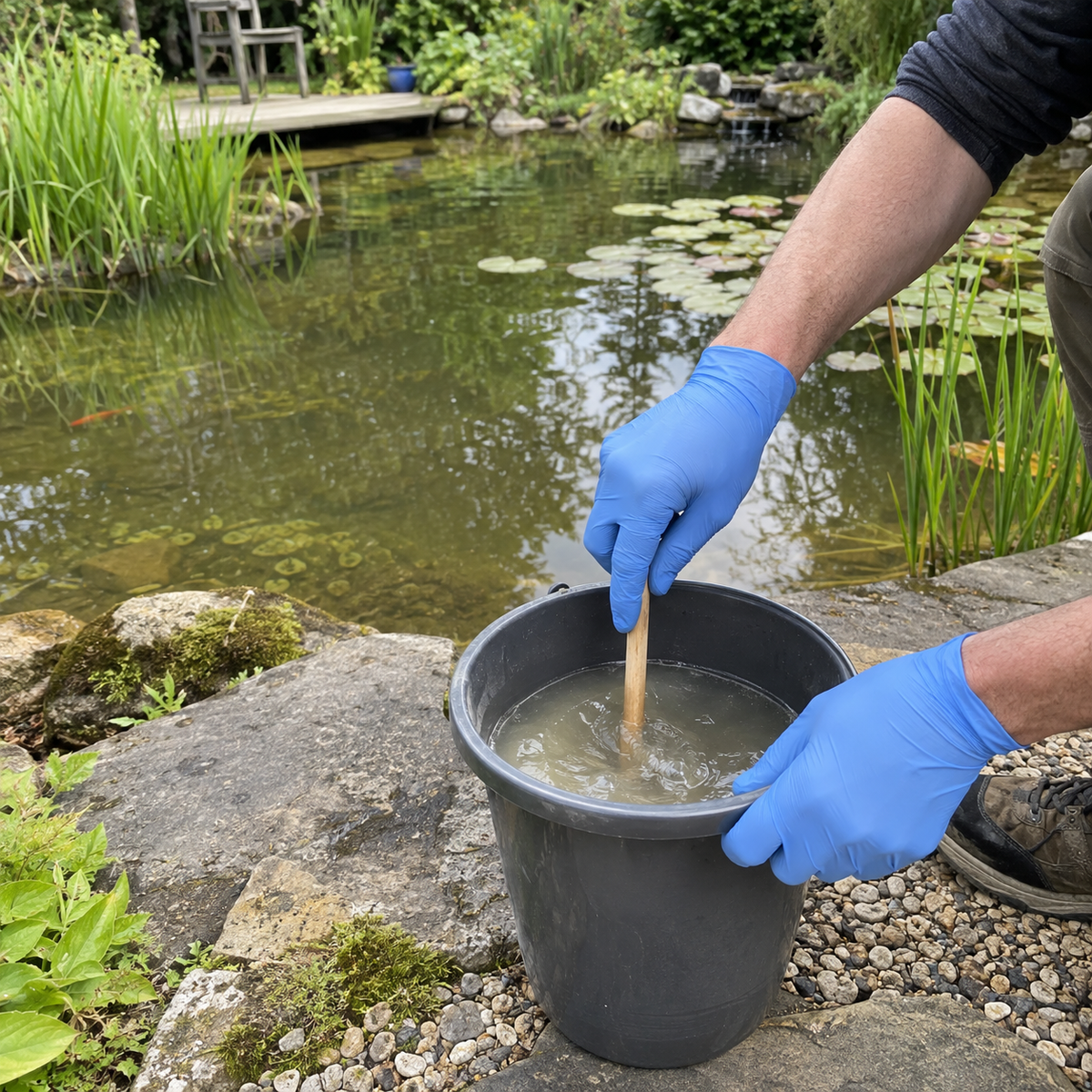
If intervention becomes necessary, work by sectors and adapt the schedule to the fauna present. Remove excess waste without trying to make a natural pond as bare as a swimming pool. For a pond that is very silty or experiencing unusual mortality, seek advice before drastically changing conditions.
Natural predators are also part of this ecosystem. Seeing a newt or a dragonfly larva does not justify removing them to favor a single species. A living pond evolves, and its inhabitants are not present in the same numbers each season.
A garden to observe, season after season
For a family, following spawn from the bank, recognizing a frog, or seeing a dragonfly land gives the garden another dimension. Keep a distance that leaves the animals alone. A notebook with a few lines is enough to notice what returns, what changes, and the most active periods.
The first goal can remain simple: a passable exit, a preserved terrestrial refuge, a well-chosen plant, or an area mowed less often. These details make the garden more welcoming and contribute, along with neighboring ponds, to maintaining living spaces in the landscape.
Start with the banks of your pond
Identify the damp areas, the exposure, and the available planting height. Then choose suitable plants, while maintaining paths and exits.
Sources
- Conservatoires d'espaces naturels — Fréquence Grenouille: wetland disappearance and awareness.
- IUCN — Amphibian Conservation Action Plan, 2024: global assessment based on the 2023 evaluation.
- Public Service of Wallonia — Amphibian Monitoring: pressures, observation, and protection.
- Natagora — The Edible Frog and Raînne — Frequently Asked Questions: behavior and observations.
- Raînne — Creating Ponds and Landscaping Your Garden: aquatic and terrestrial habitats.
- Raînne — Migrations: seasonal movements and field actions.
- Aquishop product pages for the water forget-me-not and the common rush: characteristics of the plants offered.